Starting off this post with a PSA: Go watch Ripple on Netflix. I need more seasons of this show!
Okay, now I’ll loop back and talk about what brings me to this request (and what it has to do with books)
Last week, I was scrolling Netflix in a post-holiday, post-Stranger Things finale hangover, when this image caught my eye:
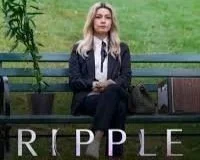
She’s giving Daisy Greene, Welcome to Blooms vibes. I mean, I had to click, didn’t I?
Centered on four strangers who become friends over an eight episode arc, this sweet, quiet series asks: Who are we without the ones who love us?
Our four protagonists are: Kris, the music executive redefining her career; Walter, a widower in the depths of grief; Aria, a young musician struggling with depression; and Nate, a father coming to terms with a cancer diagnosis.
We follow our MCs as they navigate their paths, watching as a series of choices -ripples- brings them together. By the end of the series, some questions are answered, while still others unfold. I was immediately drawn in by the story and the kindness the characters exude, even as they make right choices, wrong turns, or jump to conclusions. The series isn’t trying to be dramatic. It wants to show us how much connection matters in times of our biggest hurts and fears.
Sure, the overlaps and interconnectedness can seem a little convenient. But that’s the thing of it; who’s to say that life isn’t like that? None of us are omniscient. How many near-misses have we all had with someone who could have changed our lives (for better or worse)? How many close calls with a life-altering event? How many paths did we not take? Readers of my first novel, Something Better, will already know that I’m fascinated by “what ifs.”
I’ve always been a people watcher, and it occurs to me that multi-POV is entertainment’s version of people watching. Watching stories and characters brush up against one another is like going to a concert or a restaurant and covertly observing the lives going on around you.
My favorite game when I’m out is to play “Best Night/Worst Night” where I look around and try to decide who is having the best night of their life, and who is having the worst. And any time I cross a large park or tourist spot I wonder: am I walking through the background of a Jason Bourne-esque covert mission?
Do you do this too, or are you normal? =)
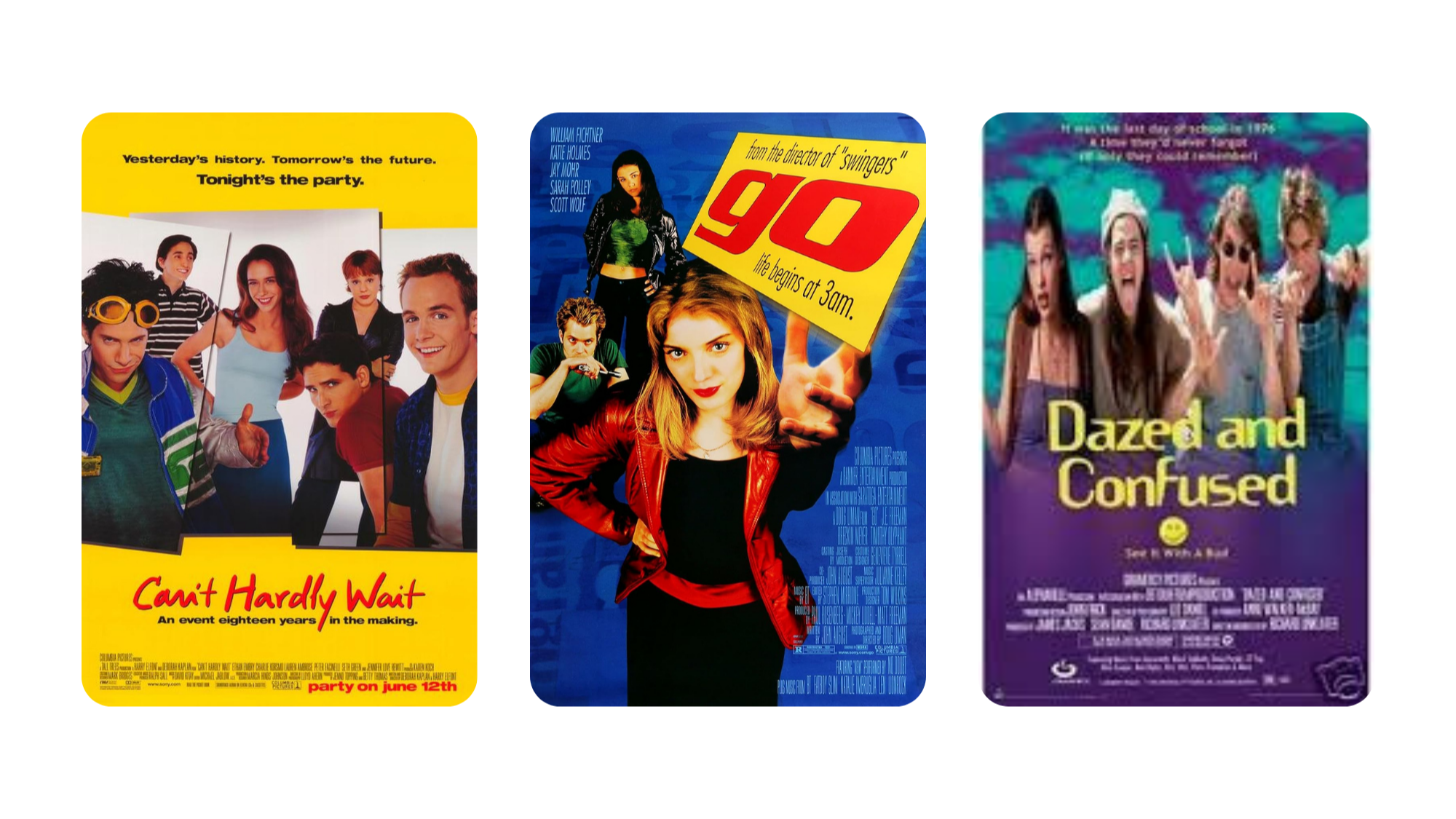
Teen movies in the 90s made some great contributions to the “People Watching Genre.” In fact, my very first manuscript (the as-of-yet unpublished YA novel The Rock Show), pays homage to these movies in a multi-POV (11 POVs in fact, which, I have since learned, is excessive) circadian tale about a group of high schoolers attending a day-long music festival in 1995.
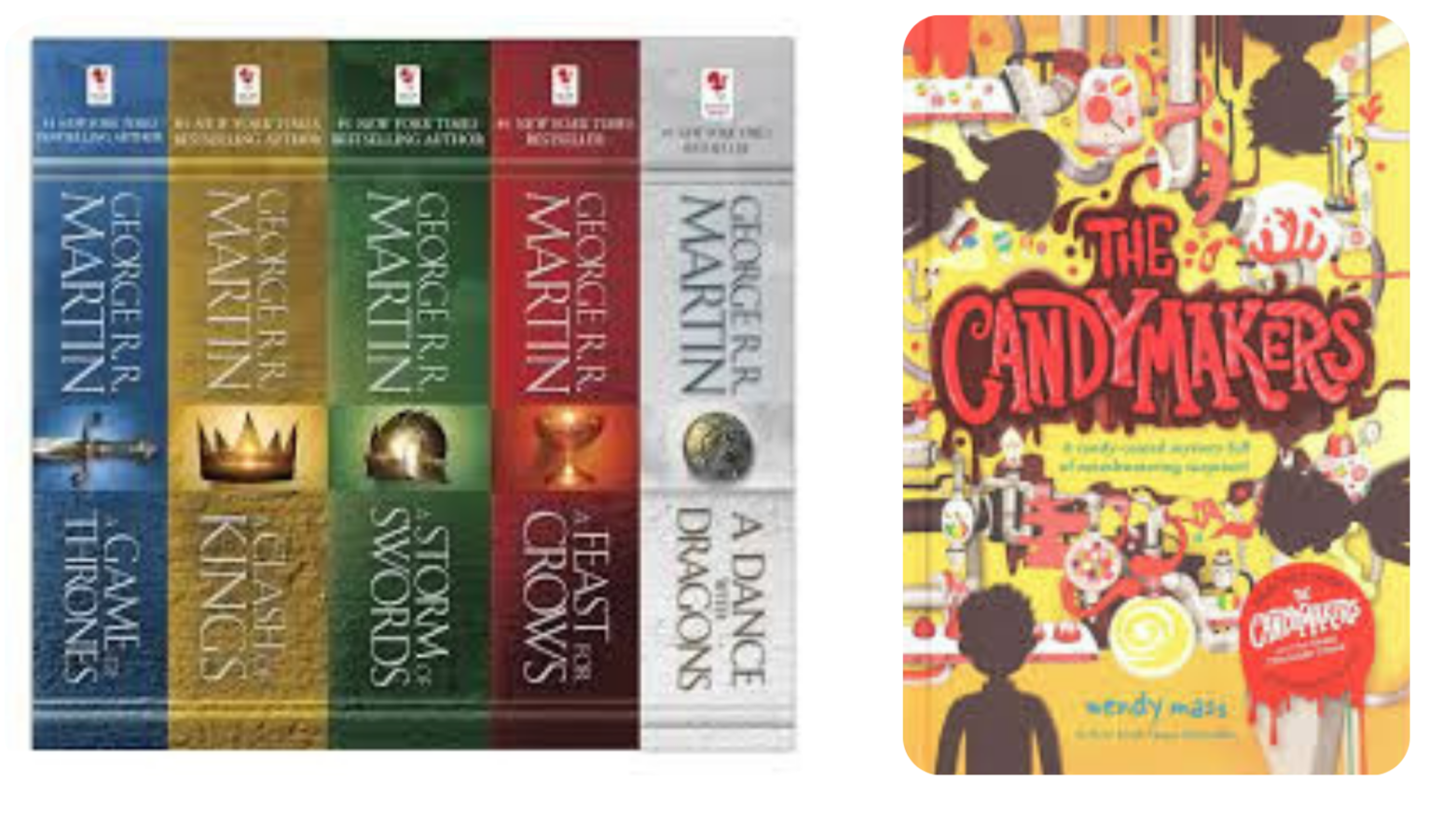
Multi-POV novels.
In books, people watching translates to multi-POV fiction (story perspective jumps from character to character) or omniscient third-person (plot unfolds via an unnamed storyteller). There’s also the linked collection, which is similar to a short story collection, but carries on a unified narrative thread or theme.
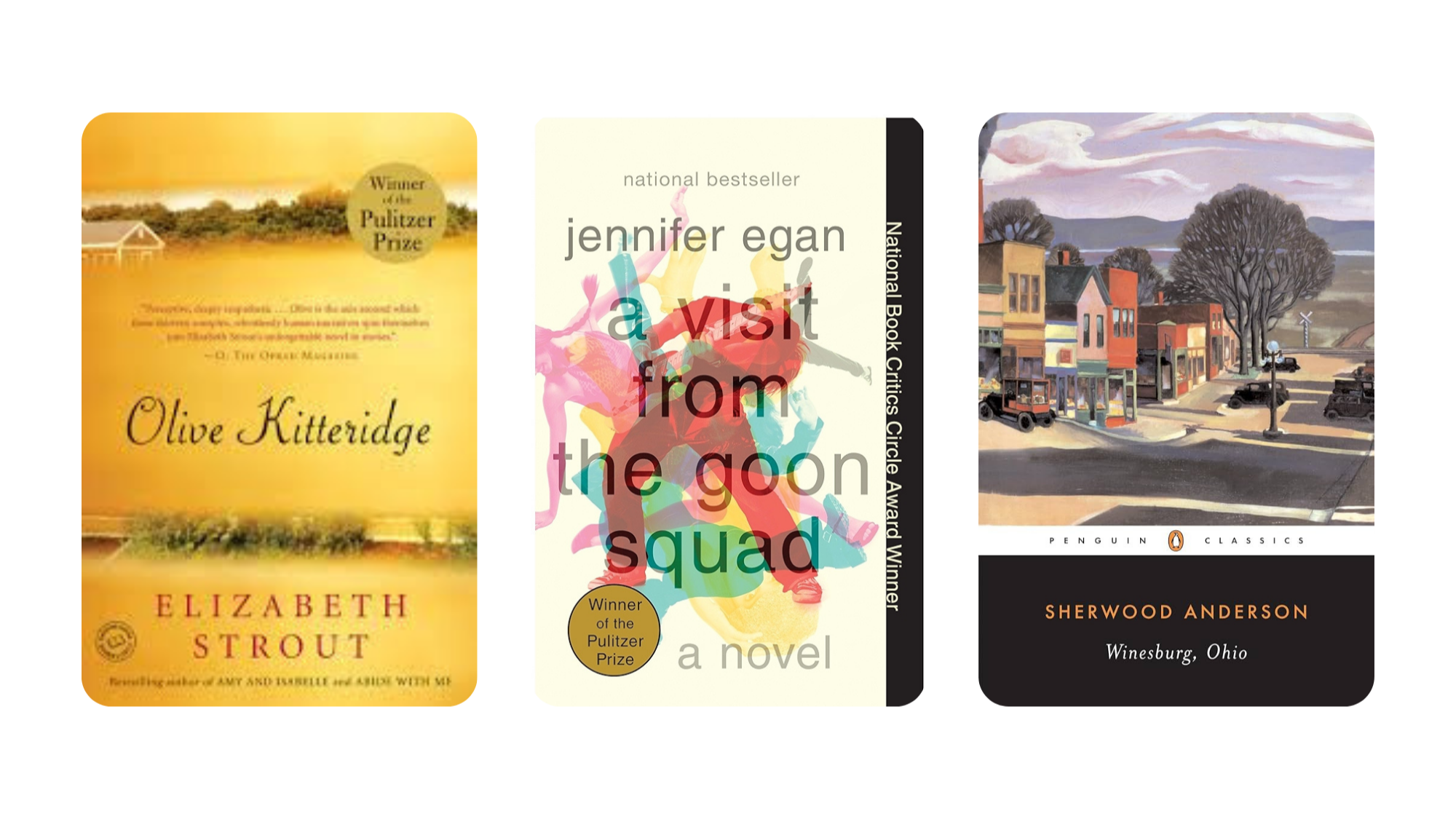
Linked collections. Fun fact: Daisy and Bud Greene, from my upcoming novel Welcome to Blooms, started as minor characters in a linked collection about a couple on their wedding day told from the perspectives of their vendors and guests.
If you love people watching and pondering the “what ifs” and “if onlys” of everday life, check out Ripple on Netflix. We need more stories about the good people can do in one another’s lives.
